
About CNshopper Spreadsheet
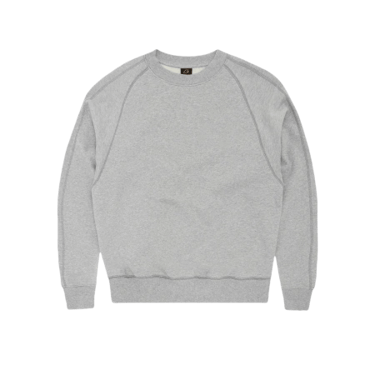
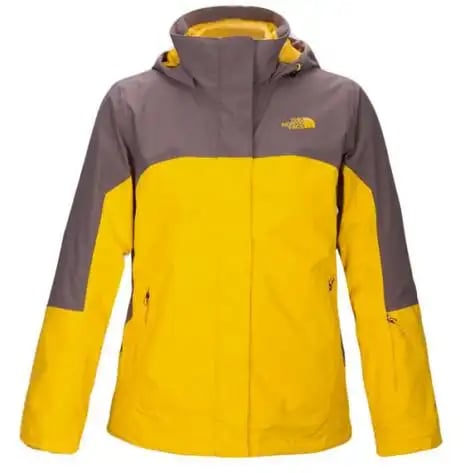
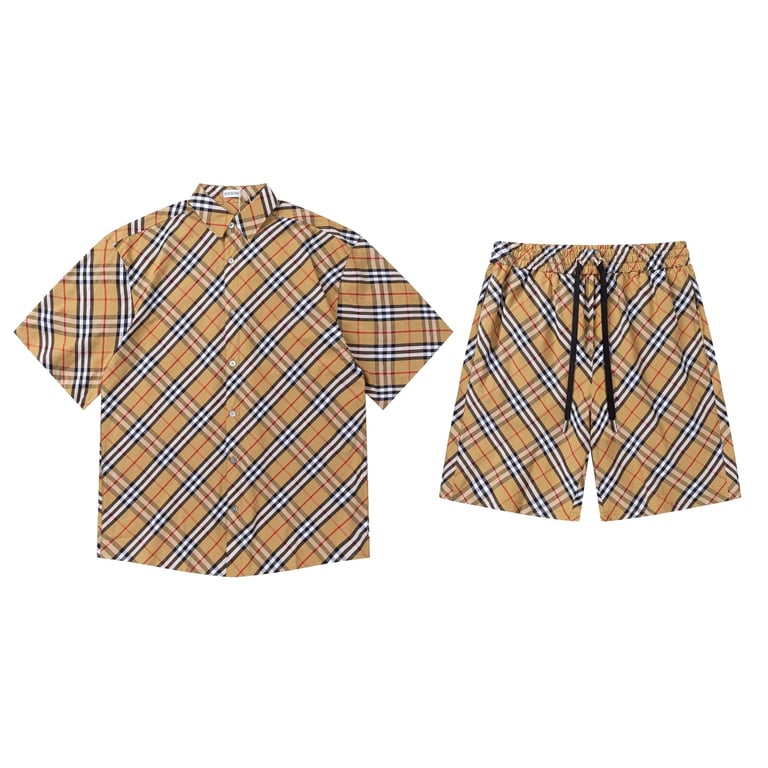
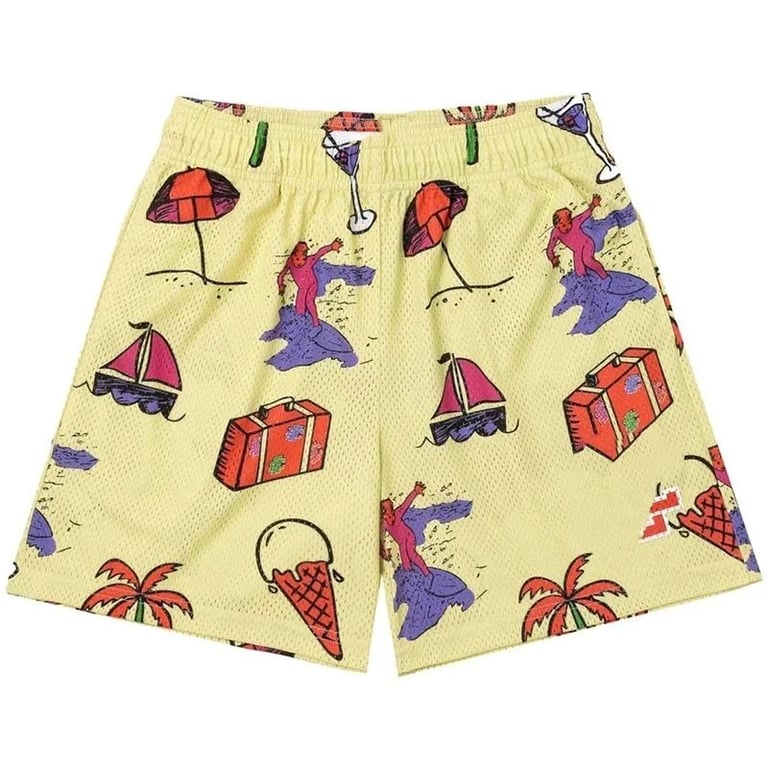
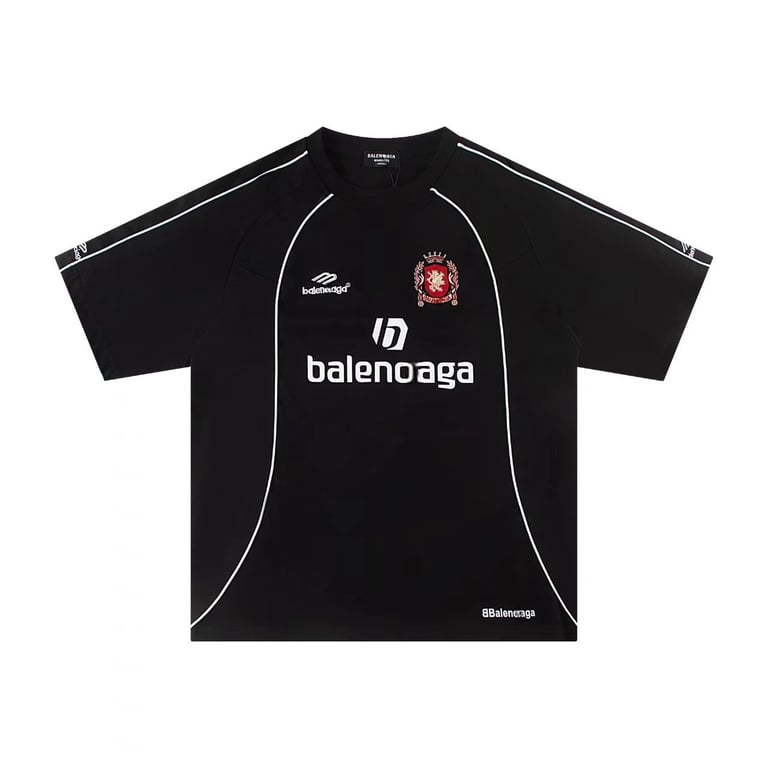
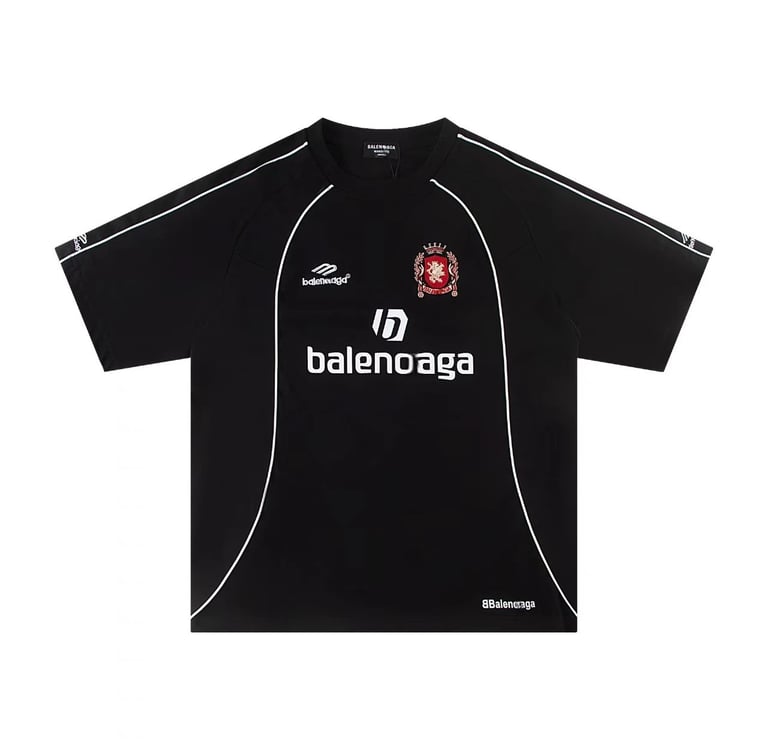
Click the images below to browse!








Why micro-store catalogs matter in cross-border shopping
Cross-border shopping has evolved far beyond traditional wholesale platforms. Today, a large portion of emerging product supply comes from micro-stores—small, fast-moving sellers that continuously introduce new items, variations, and niche products. While this creates opportunity, it also introduces fragmentation, inconsistency, and discovery inefficiency.
Without structure, micro-store sourcing becomes a process of endless browsing, duplicated listings, and uncertain product quality. This is where a structured catalog system becomes essential. The CNshopper spreadsheet micro-store catalog system helps transform scattered supply into an organized sourcing environment that can actually be used for decision-making.
This article explains why micro-store catalogs matter in cross-border shopping and how structured systems like CNshopper spreadsheet and CNshopper links improve sourcing efficiency.
Micro-stores create opportunity—but also chaos
Micro-stores are attractive in cross-border ecommerce because they often:
Introduce new products faster than large suppliers
Offer niche or experimental product variations
React quickly to short-term trends
Provide flexible pricing structures
However, these advantages come with structural problems:
No standardized product naming
High duplication across different sellers
Frequent listing changes or removals
Inconsistent product descriptions
Fragmented discovery experience
Without a catalog system, users must manually navigate this complexity, which reduces efficiency and increases sourcing risk.
Why catalog structure is essential for decision-making
A catalog is not just a list—it is a decision framework. In micro-store sourcing, structure determines whether users can compare, evaluate, and validate products effectively.
The CNshopper spreadsheet introduces structure by:
Organizing similar products into comparable groups
Standardizing inconsistent micro-store listings
Reducing duplication across suppliers
Creating a unified view of fragmented supply data
This allows users to evaluate products based on relationships rather than isolated entries.
Instead of asking “what is this product?”, users can ask “how does this product compare across suppliers?”
Reducing fragmentation in cross-border sourcing
One of the biggest problems in cross-border shopping is fragmentation. Products are scattered across thousands of small sellers, each with slightly different versions of the same item.
Micro-store catalogs solve this by:
Grouping related products together
Highlighting variation differences clearly
Showing supplier overlap for the same item
Removing redundant browsing steps
The CNshopper spreadsheet acts as a consolidation layer, turning fragmented listings into structured clusters that are easier to analyze.
This reduces cognitive overload and improves sourcing clarity.
Improving product comparison efficiency
Without a catalog system, comparing micro-store products requires:
Opening multiple pages manually
Rechecking similar items repeatedly
Tracking differences in pricing and variations separately
With a structured catalog like CNshopper spreadsheet, comparison becomes built-in:
Products are already grouped by similarity
Pricing differences are visible within clusters
Variation structures are aligned across suppliers
Redundant listings are removed or merged
This makes comparison faster, more accurate, and less dependent on manual effort.
Enabling faster validation through direct access systems
Catalogs alone are not enough. Cross-border sourcing also requires real-time validation.
This is where CNshopper links plays a critical role. After identifying products inside the structured catalog, users can:
Open exact micro-store product pages directly
Verify real-time availability
Check pricing updates instantly
Compare supplier-level differences
This reduces the gap between discovery and validation, which is one of the most time-consuming parts of sourcing.
Supporting early-stage trend detection
Micro-store catalogs also play a role in identifying early product trends.
Because micro-stores respond quickly to market signals, structured catalogs can reveal:
Repeated product emergence across sellers
Rapid variation expansion in specific categories
Clusters of similar products appearing simultaneously
Fast-moving niche product groups
The CNshopper spreadsheet makes these patterns visible by organizing listings into structured datasets rather than isolated entries.
This helps users detect demand shifts earlier than traditional retail data sources.
Reducing sourcing risk in cross-border shopping
Unstructured micro-store sourcing increases risk because users may:
Select duplicated or low-quality listings
Misinterpret pricing inconsistencies
Miss better supplier alternatives
Rely on incomplete product information
A structured catalog reduces these risks by providing:
Clear product grouping
Supplier comparison visibility
Normalized listing structures
Verified access paths via CNshopper links
This leads to more stable and predictable sourcing decisions.
Creating a scalable sourcing workflow
Micro-store catalogs are not just for discovery—they enable scalability.
A structured workflow using CNshopper spreadsheet and CNshopper links typically includes:
Browsing organized product clusters
Identifying relevant sourcing opportunities
Comparing grouped supplier options
Selecting target products
Validating via direct access links
Finalizing sourcing decisions
This replaces random browsing with a repeatable system.
Conclusion
Micro-store catalogs are essential in cross-border shopping because they transform fragmented, inconsistent supply data into structured, comparable, and actionable information. Without them, sourcing becomes slow and unreliable. With them, users gain clarity, speed, and control.
The CNshopper spreadsheet provides the structural foundation for organizing micro-store products, while CNshopper links enables direct validation and execution. Together, they turn chaotic micro-store ecosystems into a usable sourcing system that supports faster and more accurate cross-border ecommerce decisions.